
Window Replacement & Doors in Denver, CO
Local Window Installation Expertise
In neighborhoods across Denver from Capitol Hill to Cherry Creek, high-quality window installation service addresses the unique demands of Colorado's 5,000-foot altitude. Strong UV exposure, temperature swings between seasons, and dry air stress windows faster here than in most U.S. cities. Our focus on altitude-aware installation and pressure-balanced glass units keeps your home secure, efficient, and comfortable year-round.
This page covers what you need to know about choosing, installing, and maintaining replacement windows designed specifically for Denver's climate.
How Window Installation Works
The Process From Start to Finish
Professional window installation follows a clear sequence. You'll know exactly what happens at each stage—from the initial assessment of your home's needs to the final walkthrough once work is complete.
Initial Consultation
We visit your home, assess existing windows, discuss your goals, and explain how Denver's climate affects performance and longevity.
Window Selection
We review material options, energy ratings, and styles that match your home's architecture. Altitude-adjusted glass units prevent seal failure from pressure swings.
Precise Measurement
Our team takes exact measurements of each opening. Proper fit is critical to prevent drafts and air infiltration, especially in Denver's windy conditions.
Removal & Preparation
Old windows are carefully removed. We inspect framing, repair any damage, and prepare the opening for a clean installation with proper ventilation and drainage.
Installation & Sealing
New windows are set level and plumb. We air-seal gaps and caulk exterior joints against Denver's strong winds and seasonal moisture variations.
Final Inspection
We test operation, verify weathertightness, check alignment, and clean interior and exterior glass. You'll receive a full walkthrough of your new windows.
You'll always know what's happening next—and why it matters for your home.
Our Services
Complete Window Replacement Solutions
Double & Triple-Pane Windows
Multi-pane windows with argon or krypton gas fills cut energy loss significantly. For Denver homes in Capitol Hill, Washington Park, and Highlands Ranch, triple-pane models handle the freeze-thaw cycle without seal failure.
- Low-E coatings block UV while passing natural light
- Warm-edge spacers prevent condensation at frame edges
- Altitude-adjusted units equalize internal pressure
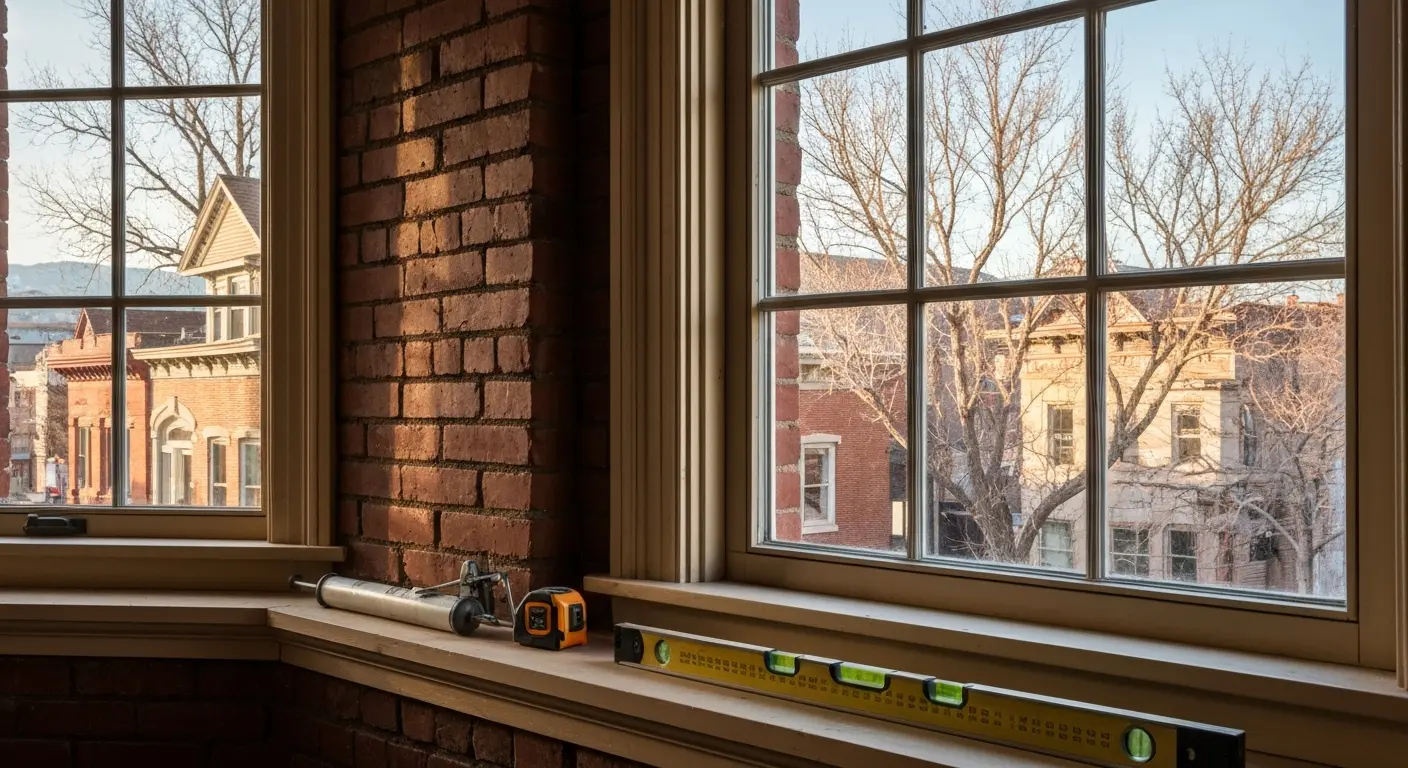
Multi-pane windows reduce heat transfer in Capitol Hill historic homes and modern Cherry Creek residences.
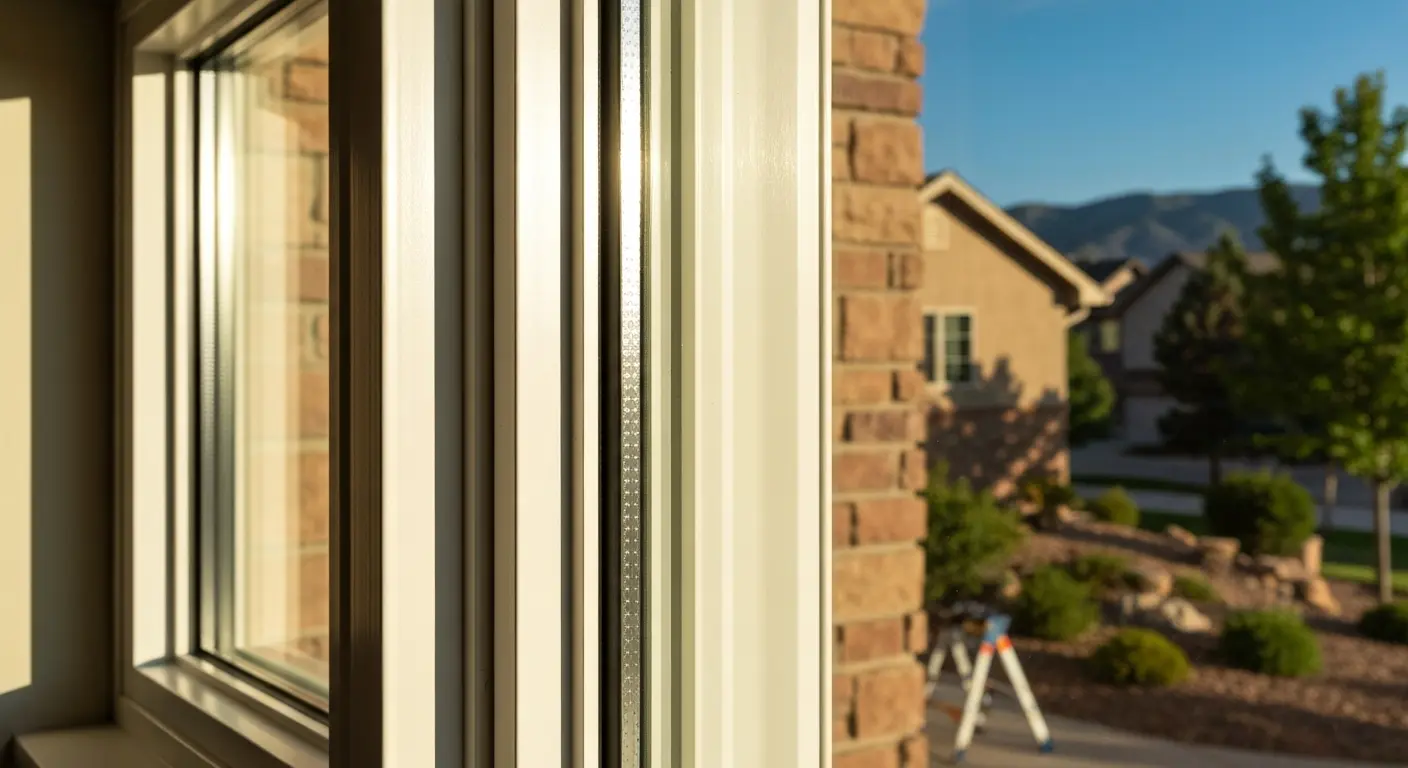
UV-stabilized vinyl windows maintain color and flexibility through Denver's intense sun exposure.
Vinyl Window Frames
Cost-effective vinyl frames work well in Denver when formulated for high UV exposure. Lower-quality vinyl yellows and becomes brittle, but premium vinyl with integrated UV inhibitors resists degradation and stays flexible through temperature swings.
- UV stabilizers protect against Colorado's intense sun
- Low maintenance; no painting or staining required
- Budget-friendly option for whole-home replacement
Fiberglass & Aluminum-Clad Wood
Fiberglass expands at nearly the same rate as glass, preventing stress-induced seal failure. Aluminum-clad wood combines the warmth of natural wood interiors with durable exterior protection—ideal for Denver's temperature extremes and strong winds.
- Fiberglass best performers in Colorado's freeze-thaw cycles
- Aluminum exterior requires virtually no maintenance
- Perfect for 15-25+ year lifespan in high-altitude locations
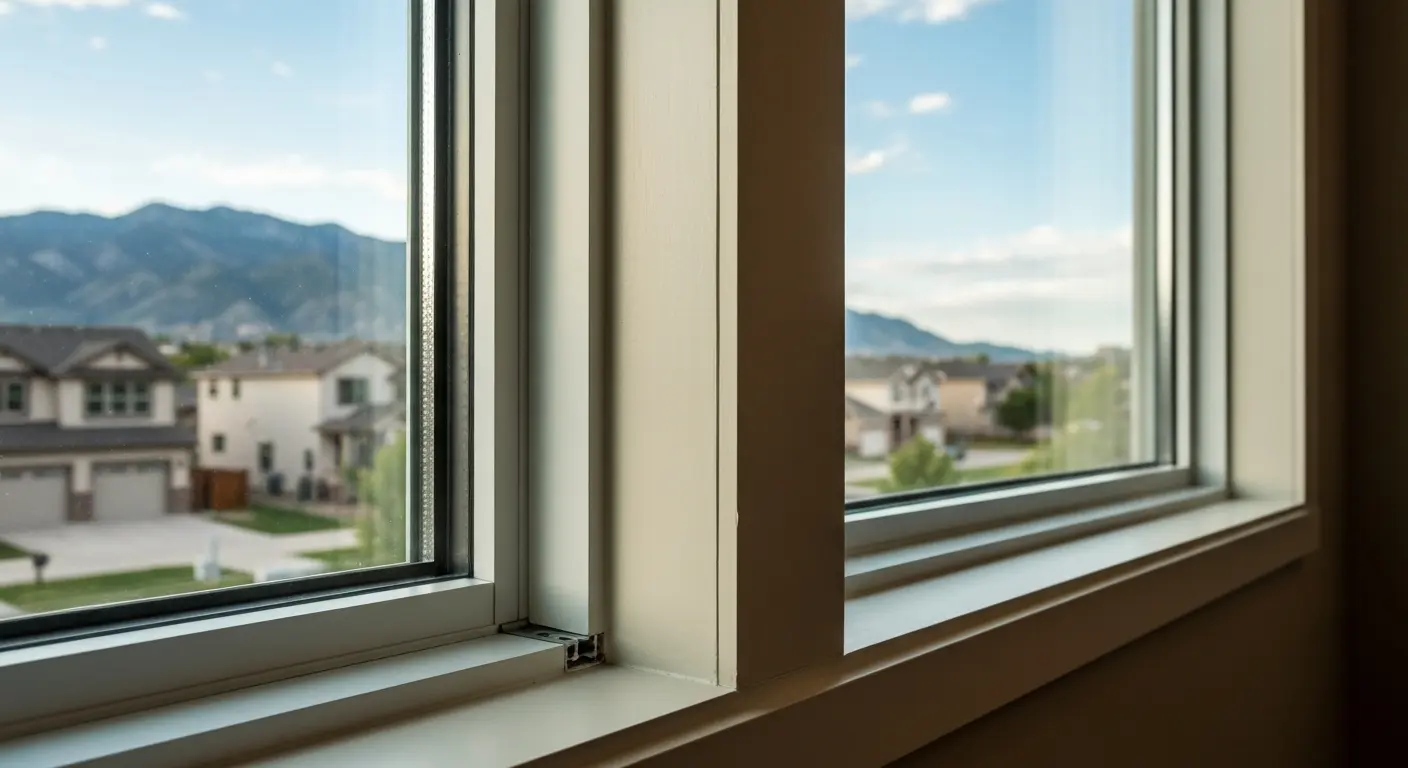
Fiberglass windows maintain performance through Denver's temperature swings without warping or seal failure.
Each material choice impacts long-term durability, maintenance, and how well your windows handle Denver's unique climate. We'll help you select the right balance of performance and value.
Why Denver Window Installation Requires Local Expertise
Denver's Climate Demands Different Solutions
At 5,280 feet, Denver's environment is fundamentally different from sea-level cities. Standard windows often fail prematurely.
High Altitude & Pressure
Windows manufactured at sea level expand when transported to Denver. Gas inside insulated units expands, creating 1,100+ pounds of outward force. Altitude-adjusted units with capillary tubes equalize pressure and prevent seal failure.
Intense UV Radiation
UV intensity is 25% stronger at Denver's elevation than at sea level. Low-grade vinyl yellows and warps. Low-E coatings degrade faster. Proper material selection with UV stabilizers prevents fading and extends window lifespan by years.
Extreme Temperature Swings
Temperature can swing 40–90°F between seasons or even within days. Materials expand and contract at different rates. Frames and seals experience stress that national averages don't account for, raising failure risk 40% above typical regions.
Dry Climate & Moisture
Colorado's low humidity causes wood to shrink, sealants to become brittle, and gaskets to lose flexibility. Wood windows need regular maintenance. Materials like vinyl and fiberglass handle dryness better when properly sealed and installed.
Wind & Precipitation
Denver and surrounding areas experience strong spring winds and sudden hail. Improper sealing and caulking allows water infiltration and air leakage. Installation technique matters as much as the product itself.
Local Building Codes
Historic neighborhoods like Capitol Hill have additional design review requirements. Our team understands Denver's building codes and permit process, ensuring your project stays on track without surprise delays.
Homeowners who choose installers without altitude experience often see window failure within 5–7 years. Proper installation—with attention to pressure equalization, UV protection, and Denver-specific sealing techniques—protects your investment and keeps your home efficient for 20+ years.
Service Coverage Across Denver
We serve neighborhoods throughout Denver and the metro area—from historic Capitol Hill and Washington Park to Cherry Creek and South Glo, plus surrounding areas like Lakewood, Highlands Ranch, and Littleton.
Historic Neighborhoods
Capitol Hill, Baker, and other established areas often have older window styles. We understand landmark design guidelines and can recommend historically appropriate replacements that meet code while preserving character.
Modern Developments
Cherry Creek, South Glo, and newer neighborhoods feature larger glass areas and modern aesthetics. We work with HOA requirements and install contemporary frames and styles that enhance clean-line architecture.
Suburban Communities
Lakewood, Highlands Ranch, and Westminster homeowners benefit from the same altitude-aware expertise. We handle everything from ranch homes to mountain contemporary estates.
No matter your neighborhood, we start with a free consultation and detailed estimate. We'll discuss your home's unique needs, walking you through the best options for your situation and budget.
Why Choose Local Installation?
Experience Matters in Colorado's Climate
Installers who lack altitude expertise often miss critical details. They may not account for pressure changes, may skip proper caulking against wind, or choose materials not suited to UV stress. Those mistakes cost thousands later.
Our team understands how Denver's climate stresses windows, which materials truly perform here, and how to install them so they last. We're licensed, insured, and backed by workmanship warranties that cover installation itself—not just the product.
When you choose local expertise, you're choosing someone who will be here to stand behind the work and help with any questions that arise.
What About Door Supplier Options in Denver?
Many homeowners replace windows and doors together. Exterior doors face the same altitude pressures and UV challenges as windows. Entry doors, patio doors, and sliding doors all benefit from the same altitude-adjusted design and expert installation we apply to windows.
We work with trusted door suppliers who understand Denver's climate and offer styles that match your window selections and home's architecture.
Frequently Asked Questions
What's the difference between altitude-adjusted and standard windows?
Standard windows are manufactured at sea level and expand when transported to Denver's 5,280 feet elevation. Altitude-adjusted windows include capillary tubes or other pressure-equalization features that prevent seal failure from internal gas expansion. At Denver's altitude, this difference determines whether your windows last 20+ years or fail prematurely.
Do I need a permit for window replacement in Denver?
Window permits depend on the scope of work. In historic districts like Capitol Hill, design review may be required. We handle the permitting process for you and know exactly what Denver's Community Planning & Development office requires. Your free consultation will clarify whether permits apply to your project.
How does Denver's dry climate affect window materials?
Wood components shrink and sealants become brittle in low humidity. Vinyl can degrade faster from UV exposure at altitude if not formulated with UV stabilizers. Fiberglass and aluminum-clad wood handle Colorado's dryness better than all-wood frames. Material choice affects both maintenance needs and long-term durability.
Why should I choose a local installer over a national franchise?
Local installers understand Denver's specific building codes, landmark requirements, wind patterns, and altitude challenges. They know which materials truly perform here and how to install them for maximum lifespan. National crews often miss altitude-specific details that determine whether windows succeed or fail.
What should I look for in energy-efficient windows for Denver?
Look for U-factors of 0.30 or lower and low-E coatings that block UV while passing visible light. Triple-pane options work well for mountain homes. Since January 2026, Colorado law requires all residential windows to meet ENERGY STAR Northern Climate Zone standards. We help you choose options that meet code and your budget.
DISCOVER WHAT OUR CUSTOMERS HAVE TO SAY ABOUT US
REVIEWS
proudly serving these areas
Lakewood, CO
Golden, CO
Blackhawk, CO
Arvada, CO
Denver, CO
Littleton, CO
Greenwood Village, CO
Cherry Hills Village, CO
READY TO take the next step?
get a free quote TODAY!

QUICK LINKS
our services
service areas
operating HOURS
Mon: 8:00 am - 5:00 pm
Tue: 8:00 am - 5:00 pm
Wed: 8:00 am - 5:00 pm
Thu: 8:00 am - 5:00 pm
Fri: 8:00 am - 5:00 pm
Sat: Closed - Closed
Sun: Closed - Closed